From the casino floor to the theatre stage, there’s one thing every performer, player, or producer must learn to live with: uncertainty. Whether it’s a high-stakes poker hand or a first-night curtain rise, creative and risk-driven ventures share a core truth—success is never guaranteed. You can rehearse a scene a hundred times or count the odds with precision, but the outcome still depends on timing, instinct, and external forces beyond your control. That’s what makes these moments so electric—and so daunting. A fascinating look at this parallel can be found in a recent piece available now on aussietheatre.com.au, where the stakes of putting on a live production are likened to a gamble. The connection isn’t just metaphorical. Creative ventures, especially in theatre and gambling, often involve real financial investment, emotional risk, and decisions made on limited information.
All In or Fold? When Creators and Gamblers Take the Leap
One of the biggest questions for anyone in a high-risk environment—whether it’s launching a stage production or placing a major bet—is knowing when to move. Should you go all in on your idea, or hold back and wait for a better opportunity? In casinos, timing is everything, and experienced players learn to read the table. In creative fields, the ability to read your market, audience, or internal instincts plays a similar role. Many producers greenlight shows without full funding, and gamblers often play hands based on feel as much as fact. Both know that waiting too long can mean missing the moment entirely.
The Rehearsal Room and the Risk Table: Learning Through Uncertainty
In theatre, the rehearsal period is where ideas are tested, adapted, and refined. In gambling, especially in games like poker or blackjack, players develop strategies over time, learning through trial and error. Both processes are shaped by uncertainty. There’s no script that guarantees a standing ovation, and no betting strategy that guarantees a win. What both worlds reward is adaptability—the ability to adjust mid-course and respond to feedback or unfolding situations.
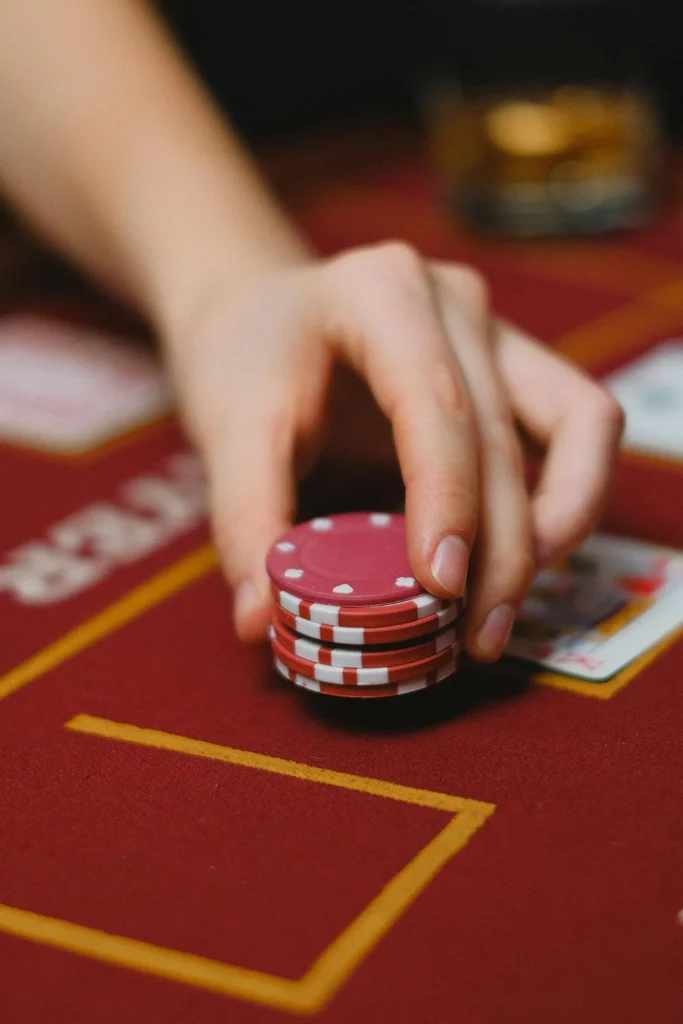
The Role of the Audience: Feedback That Shapes the Outcome
Whether it’s a live audience reacting to a play or a packed casino watching a roulette spin, the energy of the crowd plays a vital role. Performers feel the shifts in atmosphere just as gamblers feel the pressure when the stakes rise. And in both environments, reactions can change how the game is played. A hesitant laugh might prompt a rewrite; a big win at the next table might influence your next move. Being attuned to those cues—emotional, financial, or behavioural—is part of navigating high-risk territory.
Conclusion: Embracing the Gamble Behind Every Performance
Uncertainty is not a flaw in gambling or theatre—it’s the point. The thrill lies in stepping up without knowing the ending. Whether you’re placing a bet or debuting a play, the outcome depends on bold choices, informed risks, and a bit of luck. But one thing’s certain: those who are willing to take the stage—or take the risk—are the ones with a chance to change the game.
